
Eat Well
How to balance carbs, protein and fiber after a big holiday meal
Turn holiday leftovers into an easy next meal with a source of carbs, a source of protein and plenty of fiber-rich foods. Start with what’s in your fridge.
What the newest nutrition research means at your table.
Turn holiday leftovers into an easy next meal with a source of carbs, a source of protein and plenty of fiber-rich foods. Start with what’s in your fridge.
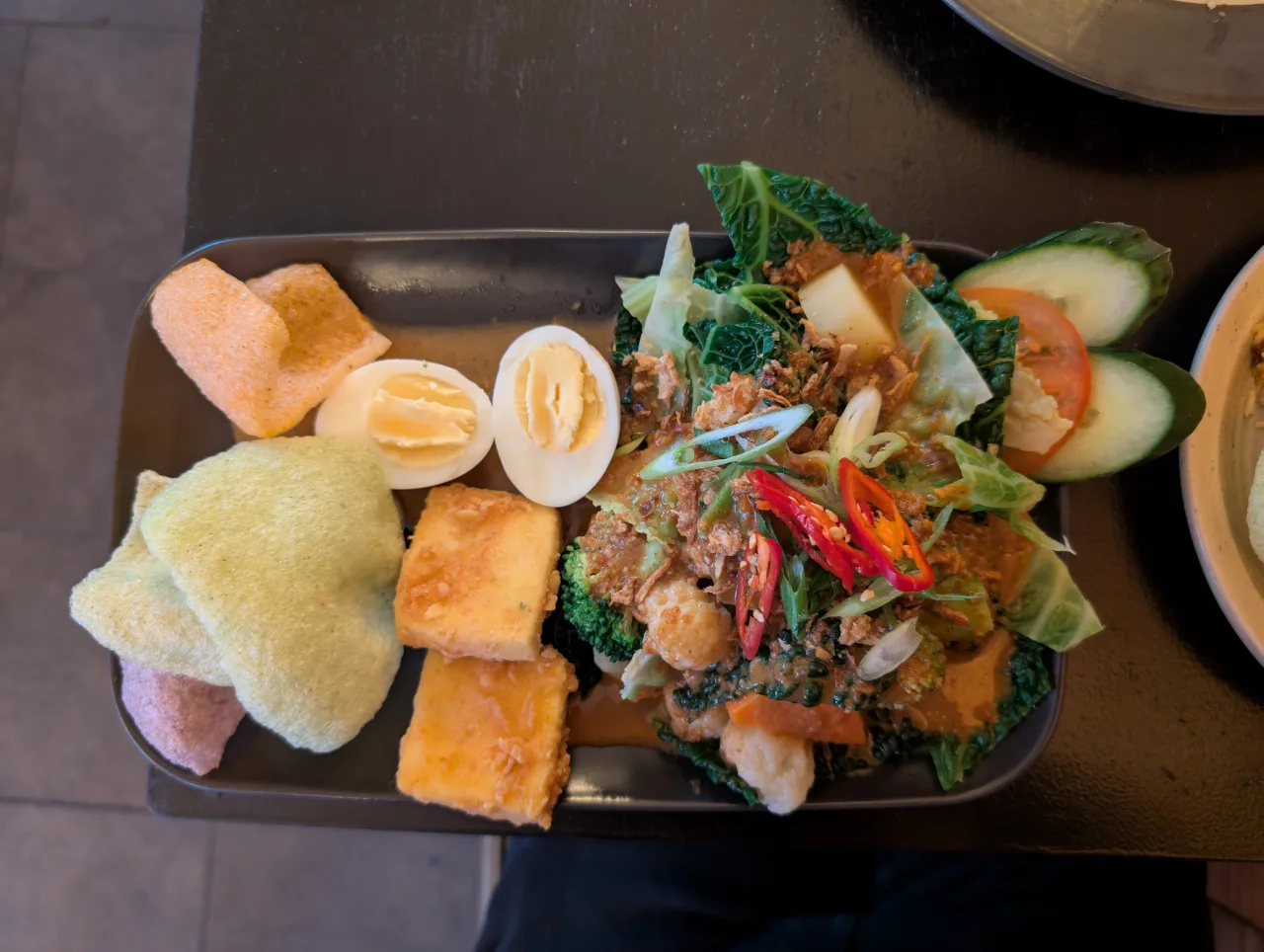
Vegetables, tofu, fish and everyday movement offer useful ideas for midlife. We examine Singapore and Thai studies, explain what life-expectancy figures mean, and avoid turning a diverse region into one “longevity diet.”

Bananas offer more than convenient sweetness. Explore their fiber, vitamin B6, changing starch and role as an everyday snack—with realistic guidance for blood sugar, kidney health and active days.

Matcha can be an enjoyable, low-added-sugar drink with caffeine and plant compounds. Here is what the newest cognitive research says, how to protect your sleep and why a cup of tea is different from an extract supplement.

Short nights can make everyday eating harder. What research says about sleep and appetite, why no single food fixes sleep, and small habits to protect both through the holidays.

Fermented foods are linked with changes in the gut microbiome, but a changed microbiome is not automatically better health. We compare a Stanford trial with newer 2026 research and offer practical food-first ideas.
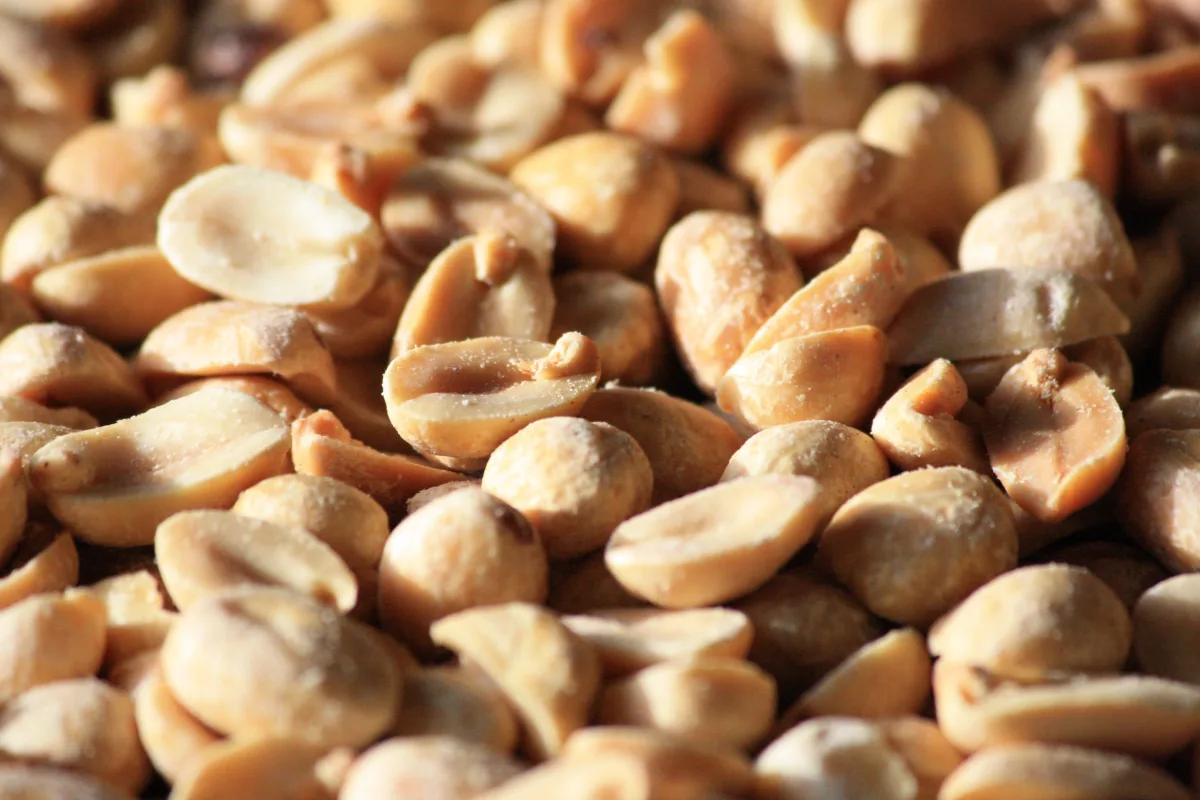
Peanuts are in the headlines. We look at the evidence, its limits and what it means for everyday eating.

The 2025–2030 Dietary Guidelines raised the protein target by about half. For midlife adults trying to hold on to muscle, that’s a meaningful change.
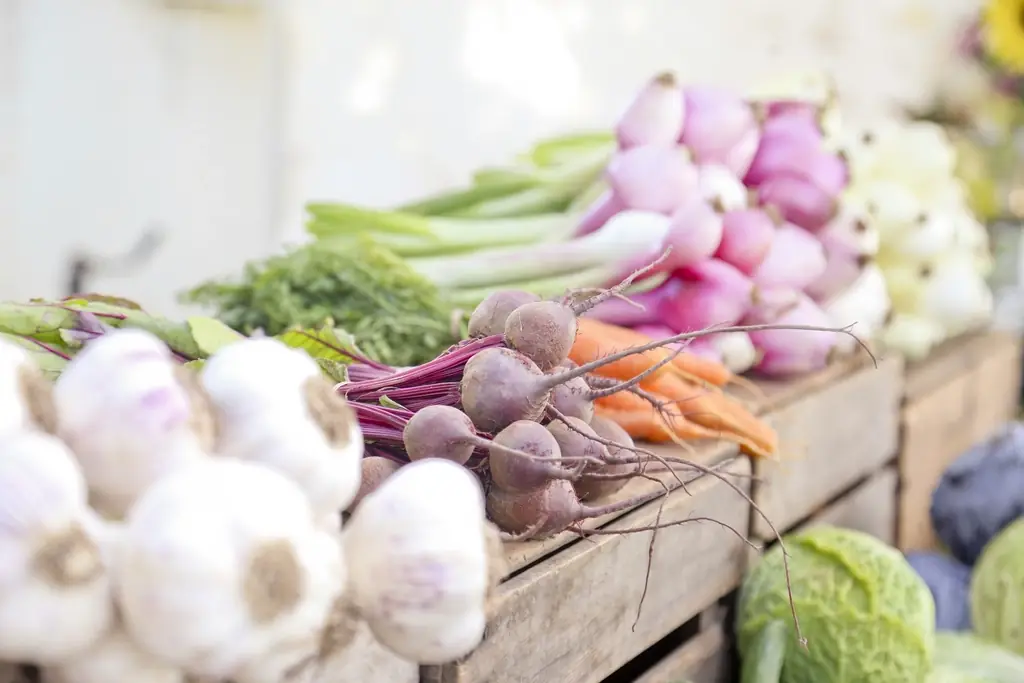
A study that followed 105,000 people for three decades found the eating patterns most linked to aging well. None of them are fad diets.