
Eat Well
How to balance carbs, protein and fiber after a big holiday meal
Turn holiday leftovers into an easy next meal with a source of carbs, a source of protein and plenty of fiber-rich foods. Start with what’s in your fridge.
Short nights can make everyday eating harder. What research says about sleep and appetite, why no single food fixes sleep, and small habits to protect both through the holidays.

Healthy habits · November 23, 2026. After a late night, breakfast may become a hurried coffee, lunch gets pushed back and the easiest dinner wins. By evening, you are tired, hungry and wondering why a sensible eating plan suddenly feels so difficult.
Our holiday-health article looked at big meals and immediate health risks. This companion focuses on the quieter pattern around them: repeated short nights, irregular meals and routines that become harder to maintain when you are exhausted.
One restless night does not undo a week of healthy eating. But regularly treating sleep as expendable can make caring for yourself harder. A useful response is to support sleep and meals together, rather than demanding more willpower from a tired person.
Sleep is involved in appetite regulation and the way the body responds to insulin. The National Heart, Lung, and Blood Institute (NHLBI) explains that sleep deficiency can disrupt the balance of hunger-related hormones and affect blood-sugar regulation.
That does not mean every craving comes from poor sleep, or that everyone responds the same way. It does mean that sleep belongs in a conversation about nutrition, alongside food access, work schedules, medicines, stress and health conditions.
In your 40s and 50s, a useful question is not only “What did I eat?” but also “How much opportunity did I have to rest, and what made meals difficult today?”
In a 2022 randomized trial published in JAMA Internal Medicine, researchers enrolled 80 adults ages 21 to 40 who had overweight and usually slept less than 6.5 hours a night. After two weeks of baseline measurements, one group received individualized counseling to extend sleep; the other continued its usual routine.
During the two-week intervention, the sleep-extension group slept about 1.2 hours longer per night than the control group and had an approximately 270-calorie-per-day greater reduction in energy intake. Researchers did not prescribe a new diet or exercise program.
Read the limits alongside the result: this was a short study in younger adults, not a demonstration of lasting weight loss in people in their 40s and 50s. The calorie figure is a group difference, not a personal target or a promise that extra sleep will produce the same result for you. The useful finding is that changing sleep can influence eating without a prescribed diet.
A 2025 study in Sleep Health examined 34 healthy younger adults, combining food reports with wrist-monitor sleep measurements across 201 paired days and nights. Higher daytime fruit and vegetable intake was associated with less disrupted sleep that night.
This was an observational analysis, not a trial assigning people to eat more vegetables. Food reporting and other lifestyle differences may have influenced the result. It does not prove that a particular serving of fruit will improve tonight’s sleep, and the participants were not a midlife population.
The practical implication is modest: a varied eating pattern is worth supporting. There is no need to turn one food, juice or supplement into a sleep remedy.
The American Heart Association’s 2026 guidance emphasizes vegetables, fruit, whole grains, healthy protein sources and unsaturated fats as parts of an overall eating pattern.
Applying that guidance does not require cooking an ambitious meal after a poor night. Keep a few realistic combinations available:
These are convenient meal ideas, not foods proven to induce sleep. Adapt them for allergies, dietary preferences and any individual care plan. Preparing tomorrow’s lunch before you become exhausted can be more useful than deciding to “eat perfectly” tomorrow.
NHLBI advises avoiding heavy meals within a few hours of bedtime; a light snack is fine if needed. This is not a rule to go to bed hungry. If a holiday dinner runs late, consider a smaller portion and save the rest for another meal.
Notice caffeine timing as well as quantity. Its effects can last up to eight hours, according to NHLBI’s sleep-habit guidance. Moving a late-afternoon coffee earlier may help you protect bedtime without turning tomorrow into another day of trying to compensate for fatigue.
For adults ages 18 to 60, the CDC recommends at least seven hours of sleep daily, while recognizing that quality matters too. Plan enough time for sleep, rather than treating seven hours in bed as a guarantee of seven hours asleep.
A manageable starting point is to keep bedtime and wake time reasonably consistent, put tomorrow’s simple meals within reach and leave a quiet wind-down period before bed. Daylight and regular physical activity can also support your routine. Shift work and caregiving can make this difficult; choose the changes within your control rather than blaming yourself for constraints you cannot remove.
If sleep problems keep recurring or daytime sleepiness affects work, driving or daily life, speak with a health professional. Loud snoring, witnessed pauses in breathing or waking while gasping deserve assessment for possible sleep apnea. Do not drive when sleepy.
For persistent insomnia, ask about cognitive behavioral therapy for insomnia (CBT-I). NHLBI describes it as a usual first treatment for long-term insomnia. Sleep-habit advice alone may not address an underlying sleep disorder.
Healthy eating and restorative sleep do not have to be separate projects. Start with one change that makes meals easier and one that protects rest. The aim is a routine that supports you through the holiday season and remains useful afterward.
Related reading: what sleep and aging research means in your 40s and 50s and looking after your health around holiday meals.
This article is for general information and isn’t a substitute for advice from your own doctor or other qualified health professional. Talk to them before changing medication, starting supplements or beginning a new exercise program. Last reviewed November 24, 2026.
Turn holiday leftovers into an easy next meal with a source of carbs, a source of protein and plenty of fiber-rich foods. Start with what’s in your fridge.
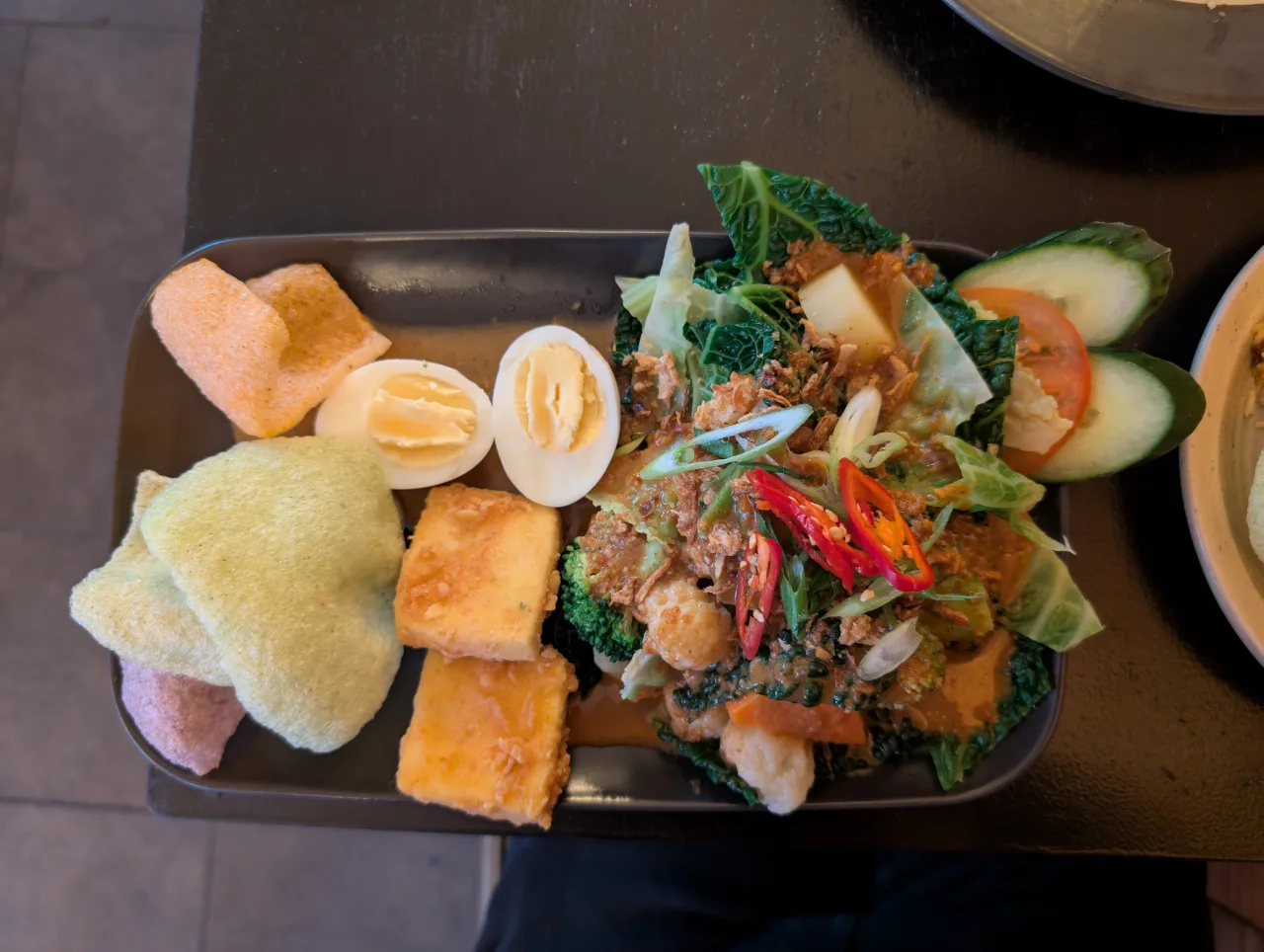
Vegetables, tofu, fish and everyday movement offer useful ideas for midlife. We examine Singapore and Thai studies, explain what life-expectancy figures mean, and avoid turning a diverse region into one “longevity diet.”

Bananas offer more than convenient sweetness. Explore their fiber, vitamin B6, changing starch and role as an everyday snack—with realistic guidance for blood sugar, kidney health and active days.