

Eat Well
How to balance carbs, protein and fiber after a big holiday meal
Turn holiday leftovers into an easy next meal with a source of carbs, a source of protein and plenty of fiber-rich foods. Start with what’s in your fridge.
Bananas offer more than convenient sweetness. Explore their fiber, vitamin B6, changing starch and role as an everyday snack—with realistic guidance for blood sugar, kidney health and active days.

Everyday nutrition · November 25, 2026. A banana rarely looks like the newest wellness discovery. It is familiar, easy to carry and often sitting beside the breakfast bowl. Those ordinary qualities can make its benefits easy to overlook.
For adults in their 40s, 50s and beyond, useful nutrition often comes from foods that fit real life. Bananas can contribute fiber, potassium, vitamin B6 and carbohydrate without requiring a recipe or a supplement. Their benefits are worth understanding without turning one fruit into a cure-all.
Harvard’s Nutrition Source lists approximately 3 grams of fiber, 28 grams of carbohydrate and 450 milligrams of potassium in one medium ripe banana. These are approximate food-composition values, not an exact measurement of every banana; size and variety matter.
The fruit contributes to a meal rather than completing one. For example, adding slices to oats and plain yogurt creates a different breakfast from having a banana alone while rushing out the door.
Potassium helps nerves send signals and muscles contract. It also plays a role in normal heart function. The NIH Office of Dietary Supplements explains that getting adequate potassium is part of a healthy eating pattern and that higher dietary potassium can help lower blood pressure in some people, especially when sodium intake is high.
A banana is one practical contributor, alongside foods such as beans, potatoes, vegetables and other fruit. Eating one does not guarantee a lower blood-pressure reading, prevent cramps or replace prescribed treatment.
Bananas also supply vitamin B6. According to NIH’s vitamin B6 guidance, the body uses this vitamin in more than 100 enzyme reactions involved in metabolism, and it contributes to immune function.
That is a useful nutritional contribution, rather than evidence that a banana will immediately boost energy, treat low mood or make you sleep. A nutrient’s normal role in the body should not be confused with proof that eating extra amounts treats a condition.
Our sleep-and-eating article looks at the broader habits that support rest. There is no reason to turn a bedtime banana into a substitute for addressing persistent sleep problems.
Less-ripe bananas contain more resistant starch, which resists digestion in the small intestine. Some reaches the large intestine, where microbes can ferment it. As a banana ripens, more of its starch becomes sugar, changing its texture and sweetness.
This makes ripeness an interesting nutritional distinction. It does not prove that a green banana will repair your gut, prevent disease or produce a predictable blood-sugar response. Nor does a sweeter, ripe banana stop being a whole fruit.
Choose the ripeness you enjoy and tolerate. If a firmer banana leaves you uncomfortable, you do not need to force yourself to eat it for a supposed microbiome benefit.
The few grams of fiber in a banana can help you build a more fiber-rich day. The National Institute of Diabetes and Digestive and Kidney Diseases recommends getting fiber from varied foods and increasing it gradually, with enough fluids to help it work.
Think of fruit alongside beans, vegetables and whole grains. One banana cannot supply all the fiber you need, and persistent constipation deserves attention rather than repeatedly adding more of one food.
A 2018 randomized crossover trial in PLOS ONE studied 20 trained cyclists ages 22 to 50. They completed four 75-kilometer cycling trials while consuming two types of bananas, a carbohydrate drink or water alone.
Bananas and the carbohydrate drink had broadly comparable effects on several measured metabolic and inflammatory responses after the prolonged exercise, compared with water alone. Banana-specific laboratory findings were also reported.
The limits matter: these were trained athletes completing long rides, not a test of an ordinary walk or a treatment for chronic inflammation. The paper disclosed support and an author affiliation involving Dole Foods. The results support bananas as one possible carbohydrate food during demanding activity; they do not establish a special recovery prescription for everyone in midlife.
For everyday life, the simpler benefit is portability: a banana can be an easy snack when you would otherwise skip food. You do not need to copy a sports-study intake schedule.
Sliced or mashed ripe banana can add sweetness to plain oats or yogurt. If that replaces some sugar, syrup or a sweetened topping, it may help reduce added sugar in that particular meal. Adding banana on top of the same amount of sweetener does not create that substitution.
Try one of these straightforward combinations:
These are serving ideas, not treatments. A smoothie’s overall ingredients and portion still matter.
If you manage diabetes: bananas are not automatically off the menu. The American Diabetes Association includes fruit in eating plans while emphasizing carbohydrate amounts and portions. Consider the size of the banana and the rest of the meal, and follow your individual plan. Natural sugar still contributes carbohydrate.
If you have kidney disease or a potassium restriction: check your recommended portion with your care team. NIH notes that kidney problems and certain medicines can make potassium build up in the blood. More potassium is not better for everyone.
The often-overlooked benefit of a banana is not a hidden medical effect. It is the combination of useful nutrients, convenient carbohydrate and an easy place in ordinary meals. Alongside varied foods, movement and adequate sleep, that is a worthwhile contribution.
Related reading: what fermented-food research really shows and how sleep supports healthier eating.
This article is for general information and isn’t a substitute for advice from your own doctor or other qualified health professional. Talk to them before changing medication, starting supplements or beginning a new exercise program. Last reviewed November 25, 2026.
Turn holiday leftovers into an easy next meal with a source of carbs, a source of protein and plenty of fiber-rich foods. Start with what’s in your fridge.
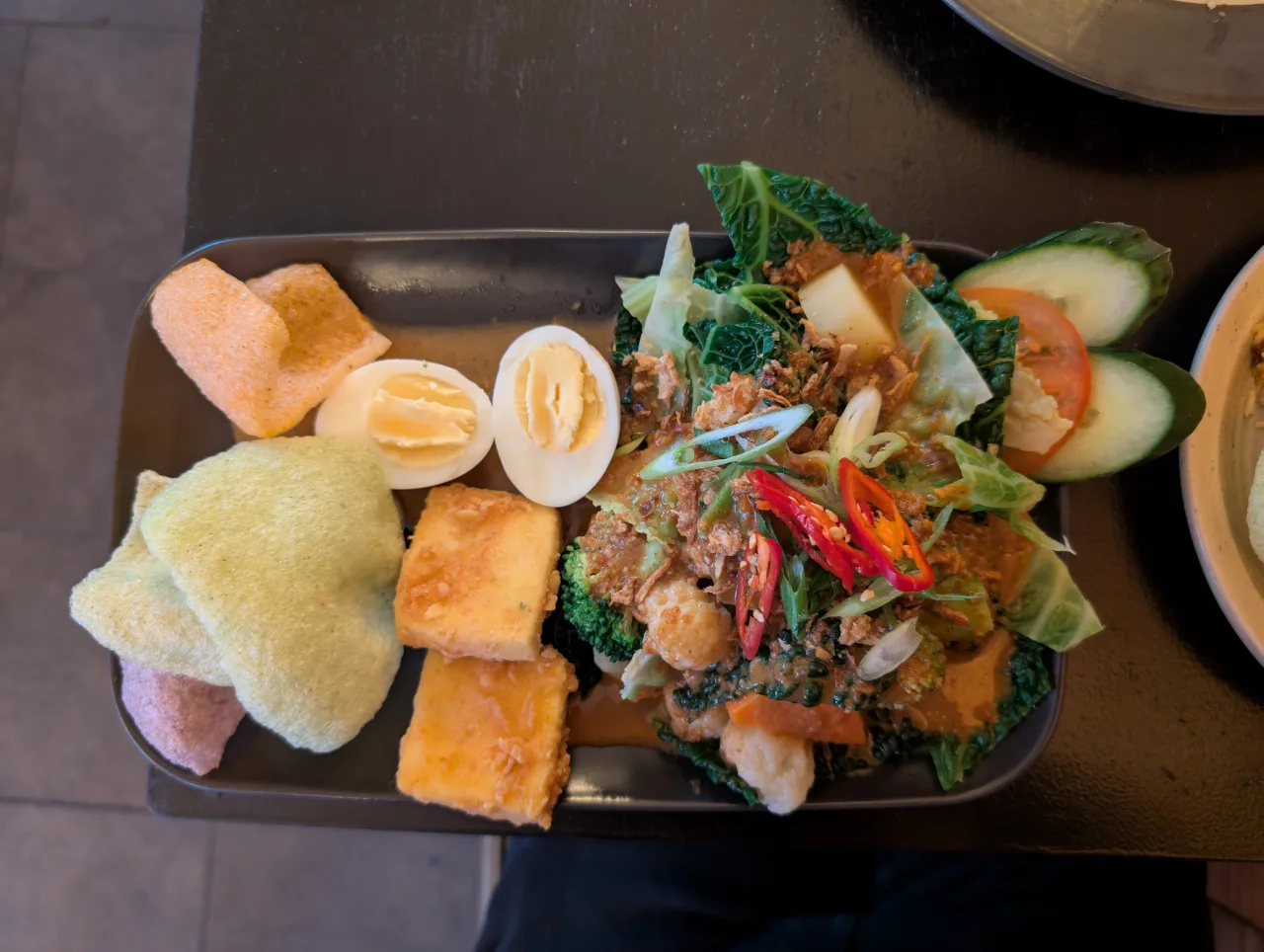
Vegetables, tofu, fish and everyday movement offer useful ideas for midlife. We examine Singapore and Thai studies, explain what life-expectancy figures mean, and avoid turning a diverse region into one “longevity diet.”
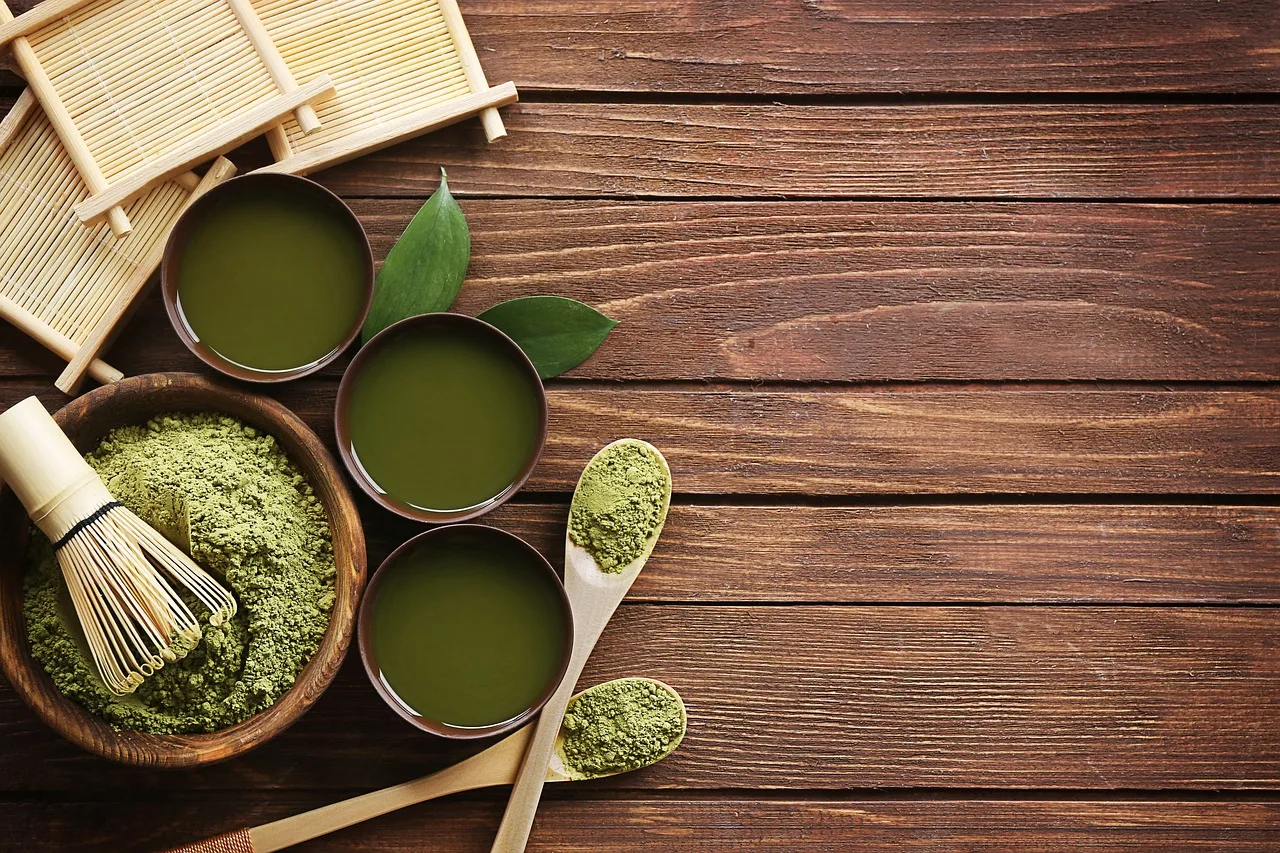
Matcha can be an enjoyable, low-added-sugar drink with caffeine and plant compounds. Here is what the newest cognitive research says, how to protect your sleep and why a cup of tea is different from an extract supplement.