

Eat Well
How to balance carbs, protein and fiber after a big holiday meal
Turn holiday leftovers into an easy next meal with a source of carbs, a source of protein and plenty of fiber-rich foods. Start with what’s in your fridge.
Fermented foods are linked with changes in the gut microbiome, but a changed microbiome is not automatically better health. We compare a Stanford trial with newer 2026 research and offer practical food-first ideas.

Nutrition research · November 17, 2026. A bowl of yogurt or a spoonful of fermented vegetables can fit easily into an ordinary meal. The harder question is what these foods actually do for the gut—and whether the science supports the promises on the packaging.
For adults in their 40s and 50s looking for useful eating habits, fermented foods are worth understanding. The evidence is promising in some areas, mixed in others, and much more specific than a claim that one food will transform everyone’s digestion.
Fermented food describes how a food is made: microorganisms change its components during production. Live cultures means living microorganisms remain in the product. Probiotic requires more: defined live microorganisms with evidence of a health benefit when consumed in an adequate amount.
The International Scientific Association for Probiotics and Prebiotics explains why these terms are not interchangeable. Fermentation does not guarantee that a product contains live microbes when you eat it, and live microbes alone do not establish a probiotic benefit.
For example, baking sourdough bread or heating a fermented product can remove live organisms. The food still has nutritional value; it simply should not be treated as a proven probiotic because fermentation was involved.
If people who eat more fermented foods also have different gut microbes, that is an association. Their other foods, medicines, health conditions and habits may also differ. A dietary trial can test an intervention more directly, but a small, short trial still cannot establish every long-term health claim.
It also matters what was measured. Greater microbial diversity, a lower blood marker and less digestive discomfort are different outcomes. A laboratory change does not automatically tell us that someone feels better or has a lower risk of disease.
A 2021 study published in Cell analyzed 36 healthy adults, with 18 in each dietary group. It compared increased fermented-food intake with increased fiber intake over a 10-week dietary intervention within a longer study protocol.
In the fermented-food group, researchers found increased gut-microbe diversity and decreases in 19 measured inflammatory proteins. Those findings provide evidence that a dietary change can influence microbiome and immune measurements.
Important limits: there was no usual-diet control group; the sample was small and largely drawn from an educated, predominantly White population. The study did not demonstrate that fermented foods prevent disease or treat a digestive disorder. Its results also do not identify one yogurt or vegetable product as the cause of the changes.
The fiber group did not show the same average diversity change over this short period. That is not evidence that fiber is unnecessary or that fermented foods should replace it.
A June 2026 paper in the European Journal of Clinical Nutrition analyzed 87 healthy adults in a crossover study. Participants consumed 100 grams daily of fresh and pasteurized sauerkraut in separate four-week periods, each preceded by a four-week period without fermented foods.
Both versions were associated with a small reduction in systolic blood pressure. Researchers found no improvement in the gut-barrier markers they measured, and did not find an appreciable overall systemic health benefit after four weeks. Some modest changes emerged in subgroup analyses.
This does not prove sauerkraut is ineffective for every purpose. It does show why one should not assume that every fermented food reliably reduces inflammation or repairs the gut barrier. The study tested one food over a short period in healthy people, comparing measurements before and after each intervention.
The study amount was a research protocol, not a serving recommendation for you.
There is no universal fermented-food serving proven to improve everyone’s gut health. If you would like to try one, begin with a small amount of a food that fits your diet, rather than copying a high-intake research protocol.
For example, plain yogurt could accompany oats and fruit, or a modest amount of fermented vegetables could accompany a bean-and-grain meal. These are meal ideas, not treatments. Notice whether the food agrees with you; do not keep increasing it through worsening discomfort.
Keep the wider eating pattern in view. NIDDK guidance on constipation emphasizes fiber from foods such as whole grains, legumes, fruit and vegetables, with gradual increases and enough fluids. Fermented foods are an addition to a varied diet, not a replacement for these basics.
Choose dairy products made from pasteurized milk. Pasteurizing the milk before cultures are added is different from heating a finished yogurt after fermentation. You do not need raw milk to obtain a yogurt with live cultures.
The FDA warns that raw milk can carry harmful germs, with particular risks for pregnant people, older adults and people with weakened immune systems. Follow storage instructions and ask your care team which foods are suitable if you have increased infection risk.
Persistent digestive symptoms deserve assessment rather than repeated experiments with food. Blood in the stool, unexplained weight loss or ongoing bowel changes should be discussed promptly with a health professional; the NHS digestive-health guidance describes symptoms that need medical attention. These signs have several possible causes and do not identify a diagnosis by themselves.
Fermented foods can be enjoyable parts of everyday eating. The useful takeaway from the research is to stay curious about specific foods and specific outcomes, while keeping expectations realistic and the rest of your diet in view.
Related reading: how to put a food-and-health headline in perspective.
This article is for general information and isn’t a substitute for advice from your own doctor or other qualified health professional. Talk to them before changing medication, starting supplements or beginning a new exercise program. Last reviewed November 17, 2026.
Turn holiday leftovers into an easy next meal with a source of carbs, a source of protein and plenty of fiber-rich foods. Start with what’s in your fridge.
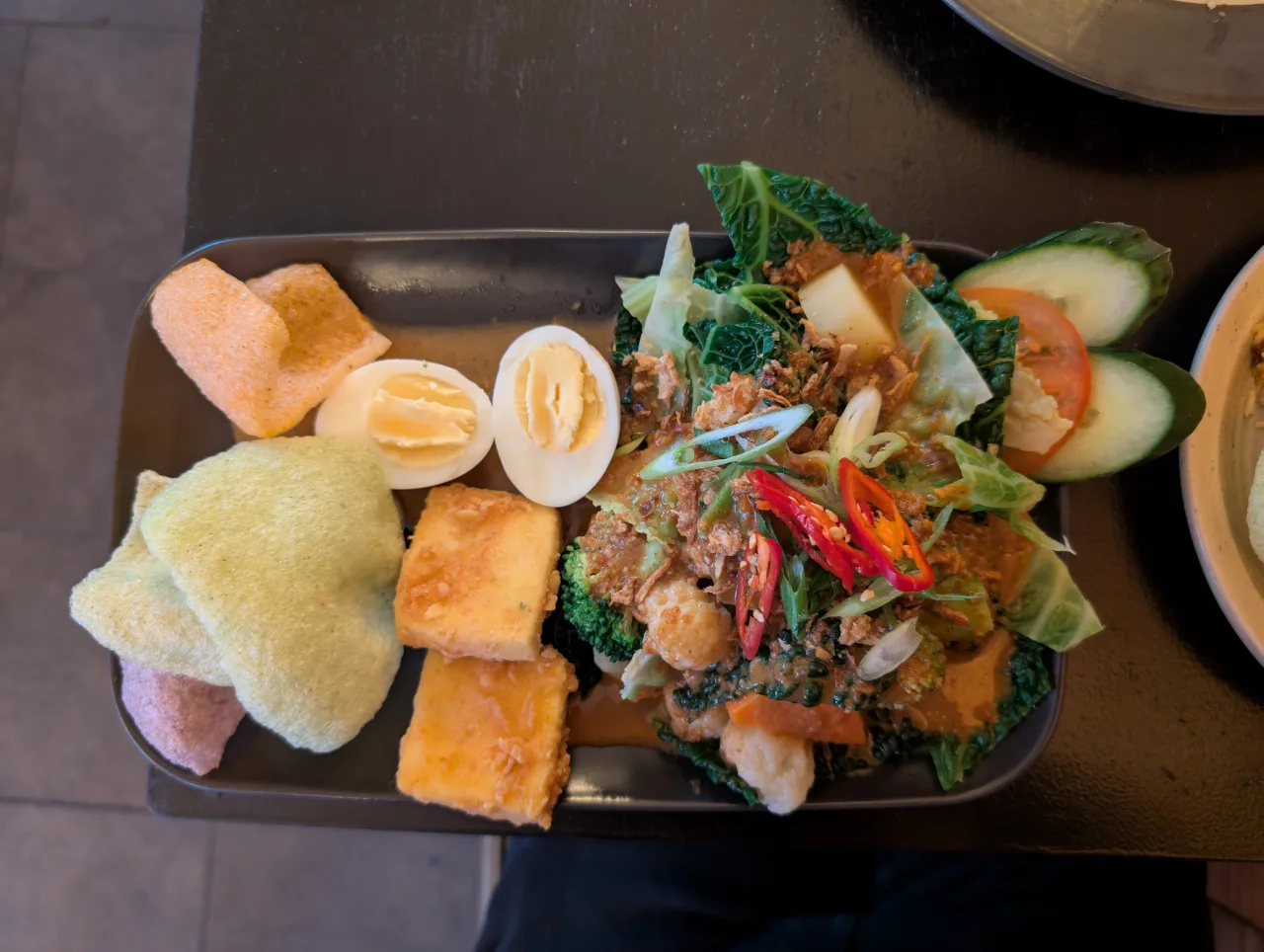
Vegetables, tofu, fish and everyday movement offer useful ideas for midlife. We examine Singapore and Thai studies, explain what life-expectancy figures mean, and avoid turning a diverse region into one “longevity diet.”

Bananas offer more than convenient sweetness. Explore their fiber, vitamin B6, changing starch and role as an everyday snack—with realistic guidance for blood sugar, kidney health and active days.