

Eat Well
How to balance carbs, protein and fiber after a big holiday meal
Turn holiday leftovers into an easy next meal with a source of carbs, a source of protein and plenty of fiber-rich foods. Start with what’s in your fridge.
Matcha can be an enjoyable, low-added-sugar drink with caffeine and plant compounds. Here is what the newest cognitive research says, how to protect your sleep and why a cup of tea is different from an extract supplement.
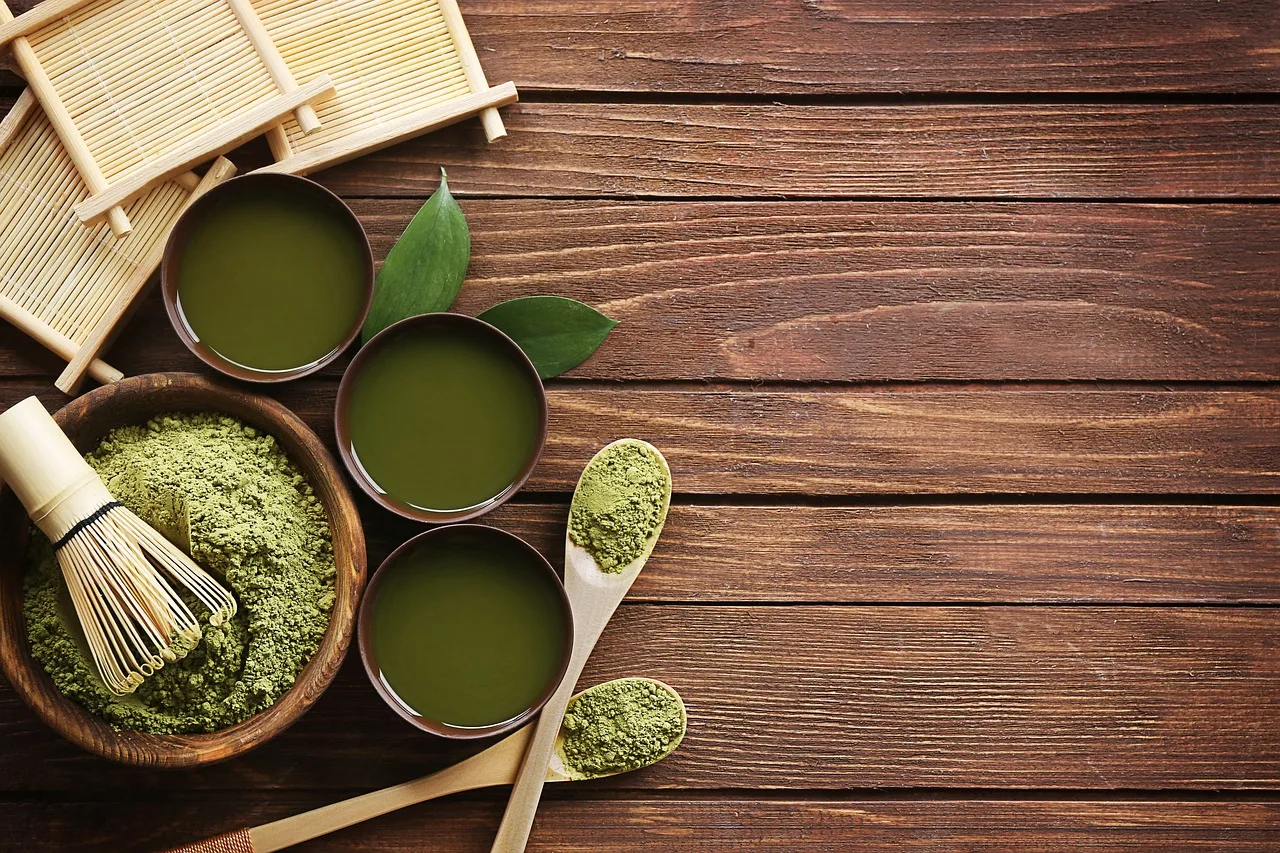
Nutrition research · November 24, 2026. Matcha has moved from tea bowls to café menus, promising everything from calmer focus to healthier aging. For people in their 40s and 50s looking for everyday habits that feel good, it is reasonable to ask: what benefits are realistic?
The clearest reasons to enjoy matcha are straightforward. It can be a flavorful drink without much added sugar, its caffeine can support alertness, and it supplies compounds researchers are studying. The evidence is much less certain when the promise becomes preventing dementia, losing weight or fixing sleep.
Matcha is finely powdered green tea made from leaves grown under shade before harvest. Rather than steeping leaves and removing them, you mix the powder into the drink and consume it. It contains caffeine, the amino acid theanine and plant compounds called catechins.
That composition makes matcha interesting to study. It does not establish that every matcha drink produces a meaningful health benefit, or that consuming more powder is better.
If an unsweetened matcha replaces a drink with substantial added sugar, it can help reduce the added sugar in that part of your day. This is a benefit of the substitution, not proof of a special fat-burning effect.
Check what is actually in the cup. Plain matcha powder and a sweetened café mix are different products. Syrups, sweetened milk and toppings can change the finished drink considerably. The FDA’s added-sugars guide explains how to read packaged drink labels. For a café order, ask whether the powder or base is already sweetened.
If you prefer a latte, choose the milk you enjoy and can tolerate, then adjust sweetness to your preference. A green color is not a reason to ignore the rest of the ingredients.
The European Food Safety Authority explains that caffeine stimulates the central nervous system and can increase alertness. Matcha is one way to consume caffeine; its theanine content does not make it caffeine-free or guarantee freedom from jitters.
The amount depends on the powder and how much is used. Check product information when available, and count matcha alongside coffee, other tea, energy drinks and any other caffeine sources.
A systematic review published online November 7, 2026 in the Journal of Epidemiology included four randomized trials of repeated matcha consumption.
Individual studies reported improvements on selected tasks, such as attention or emotion-related measures. An exploratory pooled analysis suggested a possible benefit on one cognitive assessment, but the authors concluded that the evidence remained limited and inconclusive, with no consistent improvement in overall cognitive function.
For a midlife reader, this supports curiosity about matcha, not a claim that it prevents dementia or protects memory as you age.
A 2024 trial in PLOS ONE randomized 99 adults ages 60 to 85 with subjective cognitive decline or mild cognitive impairment. Participants received either 2 grams of matcha daily in capsules or a placebo for 12 months.
The matcha group did not show a significant benefit on the two primary outcomes: a general cognitive assessment and a daily-functioning measure. A selected emotion-recognition measure improved, while the sleep-quality result did not reach statistical significance.
The trial involved older adults with cognitive concerns and used capsules, not café drinks. Some authors worked for a tea company. These findings do not establish a midlife brain-health prescription, and the study dose is not a personal recommendation.
The NIH’s National Center for Complementary and Integrative Health (NCCIH) reports small reductions in total and LDL cholesterol in green-tea research, but most of those trials evaluated extracts rather than a beverage. That is not evidence that one matcha latte will lower your cholesterol.
Likewise, finding compounds with antioxidant activity is not the same as demonstrating that drinking matcha prevents cancer, reverses aging or treats a health condition. Keep the whole eating pattern and your existing care plan in view.
Our sleep-and-healthy-eating article explains why repeatedly trading sleep for daytime energy can become unhelpful. If you try matcha, morning or earlier daytime use may suit you better than an evening drink.
The FDA cites 400 milligrams of caffeine daily as an amount not generally associated with negative effects for most adults. That is not a target or a guarantee of comfort: sensitivity, medicines and health conditions matter, and some people need much less. Ask your clinician about an appropriate limit if you are pregnant, breastfeeding or have a condition affected by caffeine.
If it worsens sleep, anxiety or palpitations, reduce it or choose a caffeine-free alternative. Matcha’s healthy reputation does not override your response to it.
NCCIH distinguishes ordinary green-tea beverages from extract supplements. Liver injury has been reported mainly with green-tea extracts in tablet or capsule form, and green tea products can interact with medicines. Talk with a pharmacist or clinician before adding an extract or substantially changing your intake if you take regular medication.
You do not need a concentrated supplement to enjoy a tea ritual. Mix a small amount of plain powder according to its preparation directions with hot water, whisk until combined, and add milk if you like. This is a serving idea, not a therapeutic dose.
Matcha can earn a place in your routine because you like it, it fits your caffeine tolerance and it helps you choose a drink with less added sugar. Those are worthwhile benefits without asking one cup to do the work of sleep, balanced meals, movement and medical care.
This article is for general information and isn’t a substitute for advice from your own doctor or other qualified health professional. Talk to them before changing medication, starting supplements or beginning a new exercise program. Last reviewed November 24, 2026.
Turn holiday leftovers into an easy next meal with a source of carbs, a source of protein and plenty of fiber-rich foods. Start with what’s in your fridge.
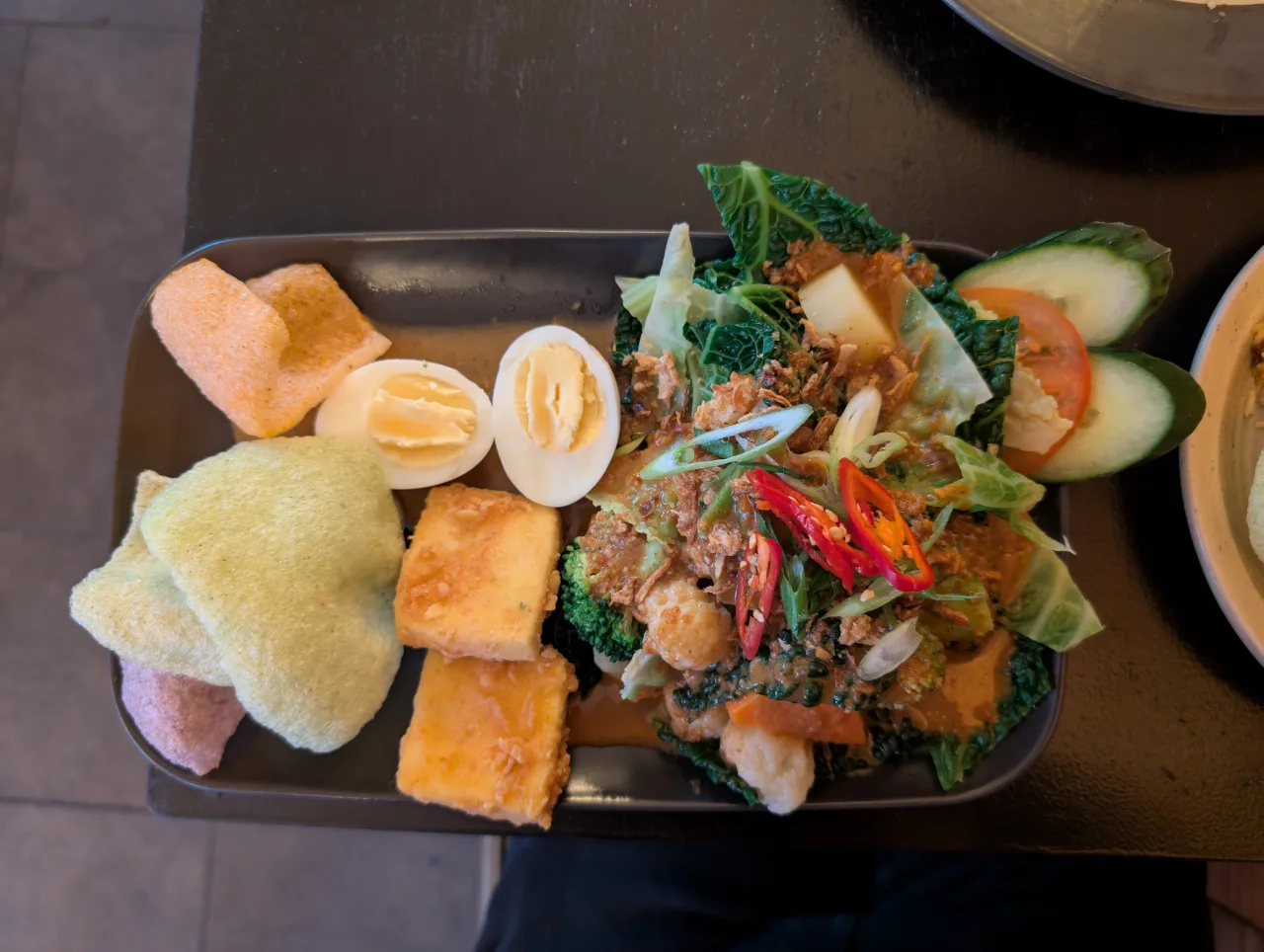
Vegetables, tofu, fish and everyday movement offer useful ideas for midlife. We examine Singapore and Thai studies, explain what life-expectancy figures mean, and avoid turning a diverse region into one “longevity diet.”

Bananas offer more than convenient sweetness. Explore their fiber, vitamin B6, changing starch and role as an everyday snack—with realistic guidance for blood sugar, kidney health and active days.