Eat Well
How to balance carbs, protein and fiber after a big holiday meal
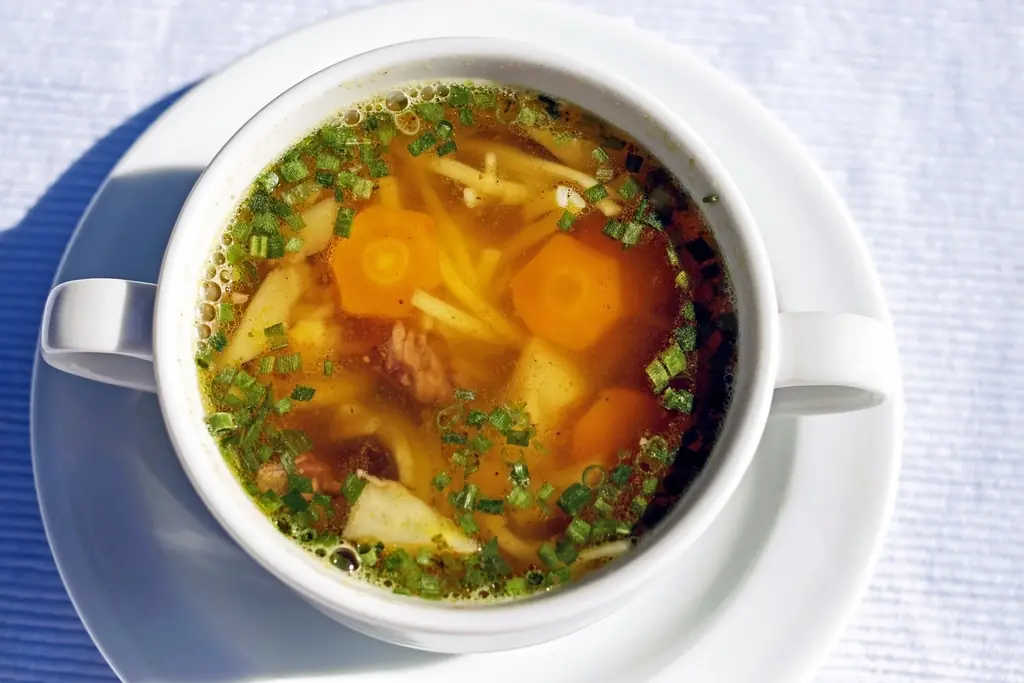
Turn holiday leftovers into an easy next meal with a source of carbs, a source of protein and plenty of fiber-rich foods. Start with what’s in your fridge.
Peanuts are in the headlines. We look at the evidence, its limits and what it means for everyday eating.
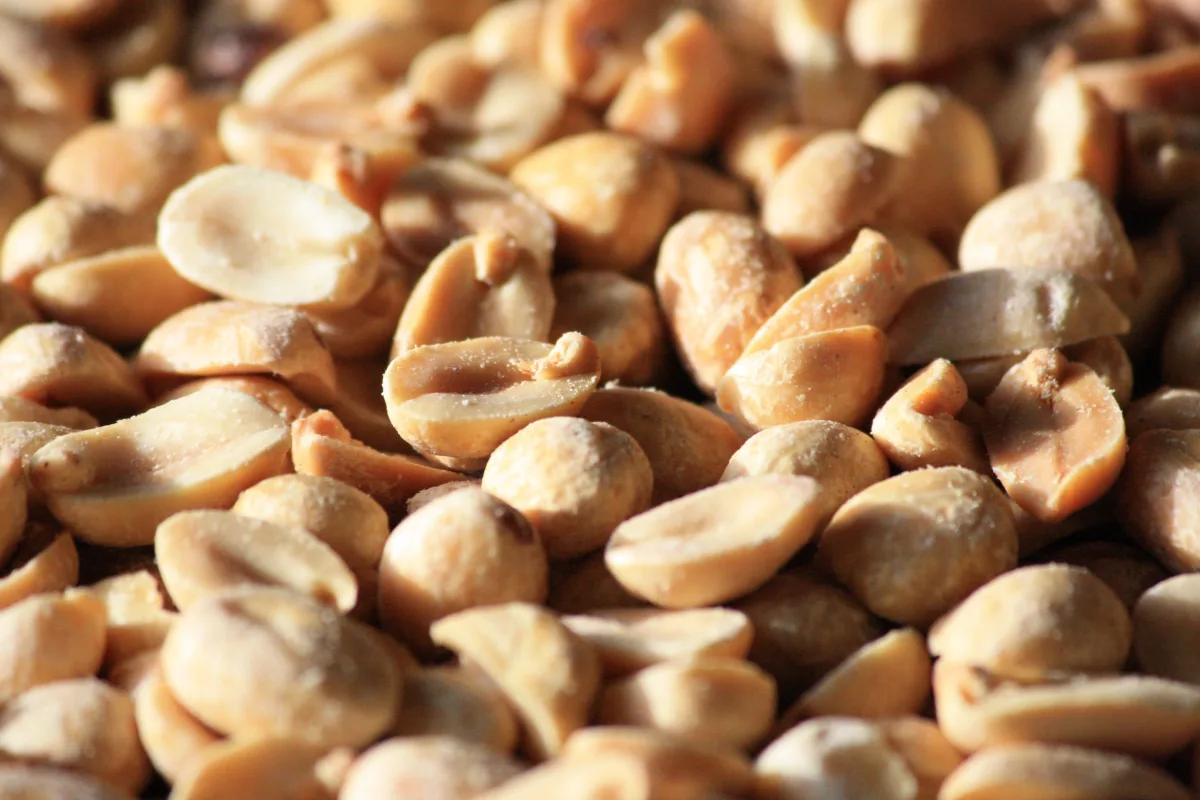
Research update · November 13, 2026. Peanuts are making brain-health headlines. The 2026 Food & Function paper behind the news offers an interesting clue, not a proven way to prevent dementia.
Thirty-one older adults completed two 16-week periods: one with 60 grams of unsalted, skin-roasted peanuts daily, one without. An eight-week break separated them. Each participant served as their own comparison.
After insulin was given through the nose, MRI showed a reduced blood-flow response in one right-sided brain region. Researchers interpreted this as a potentially beneficial change in insulin responsiveness.
This short, small trial cannot establish dementia prevention. A scan change is not proof of better memory in daily life.
Funding matters: The Peanut Institute Foundation funded the study. The authors reported no funder role in its design, conduct, analysis, writing or publication decisions.
The National Institute on Aging says there is no evidence that eating or avoiding one specific food can prevent Alzheimer’s or age-related cognitive decline. Researchers continue to study whole dietary patterns as well as individual foods.
For everyday meals, keep the wider pattern in view: varied vegetables and fruit, whole grains and other nutritious foods. A peanut headline should not crowd out the rest of your plate or become a reason to buy a supplement.
The useful takeaway is curiosity about food research, with realistic expectations. This study is a reason for further investigation, not a promise about your future memory.
This article is for general information and isn’t a substitute for advice from your own doctor or other qualified health professional. Talk to them before changing medication, starting supplements or beginning a new exercise program. Last reviewed November 13, 2026.
Turn holiday leftovers into an easy next meal with a source of carbs, a source of protein and plenty of fiber-rich foods. Start with what’s in your fridge.
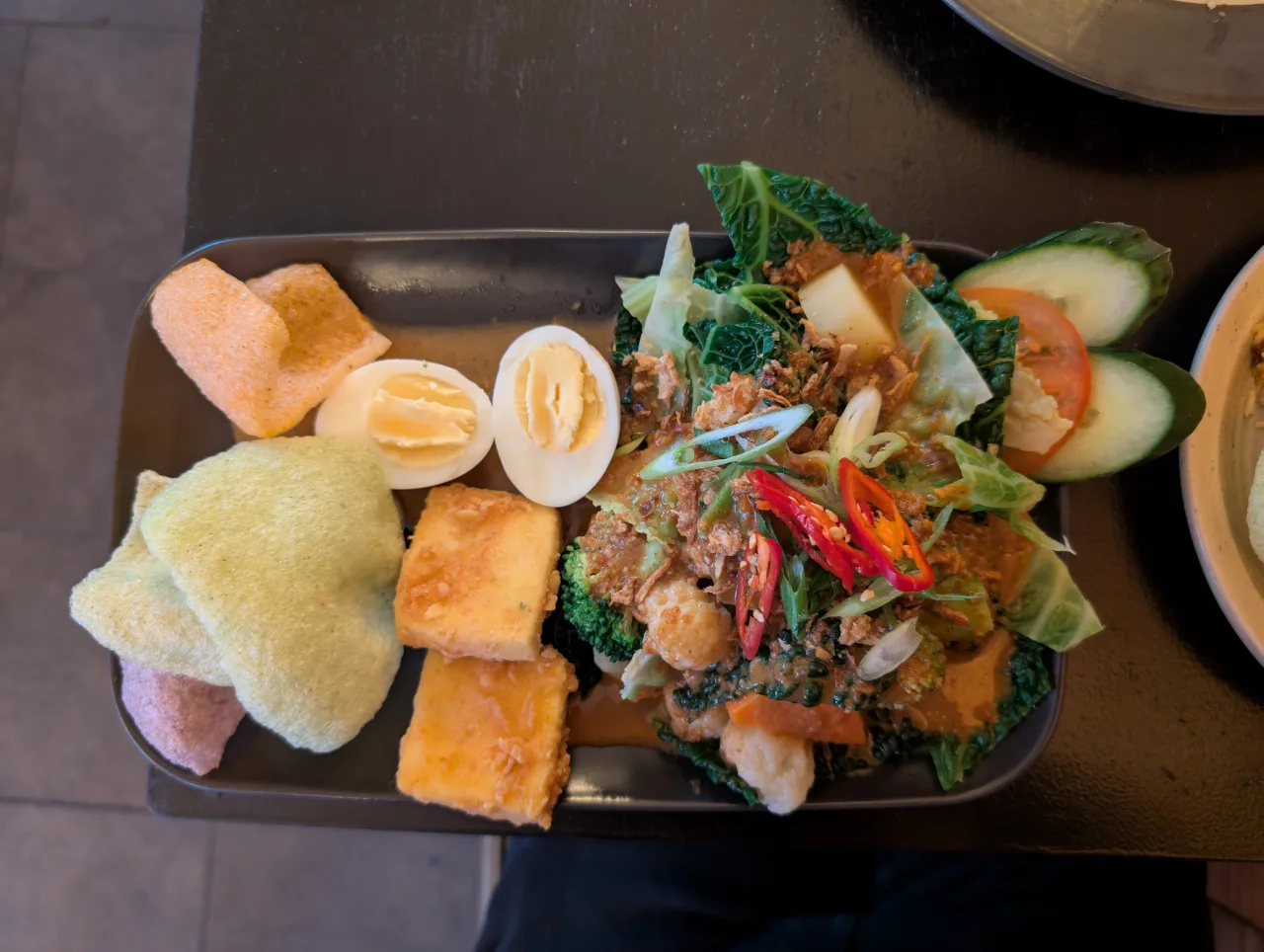
Vegetables, tofu, fish and everyday movement offer useful ideas for midlife. We examine Singapore and Thai studies, explain what life-expectancy figures mean, and avoid turning a diverse region into one “longevity diet.”
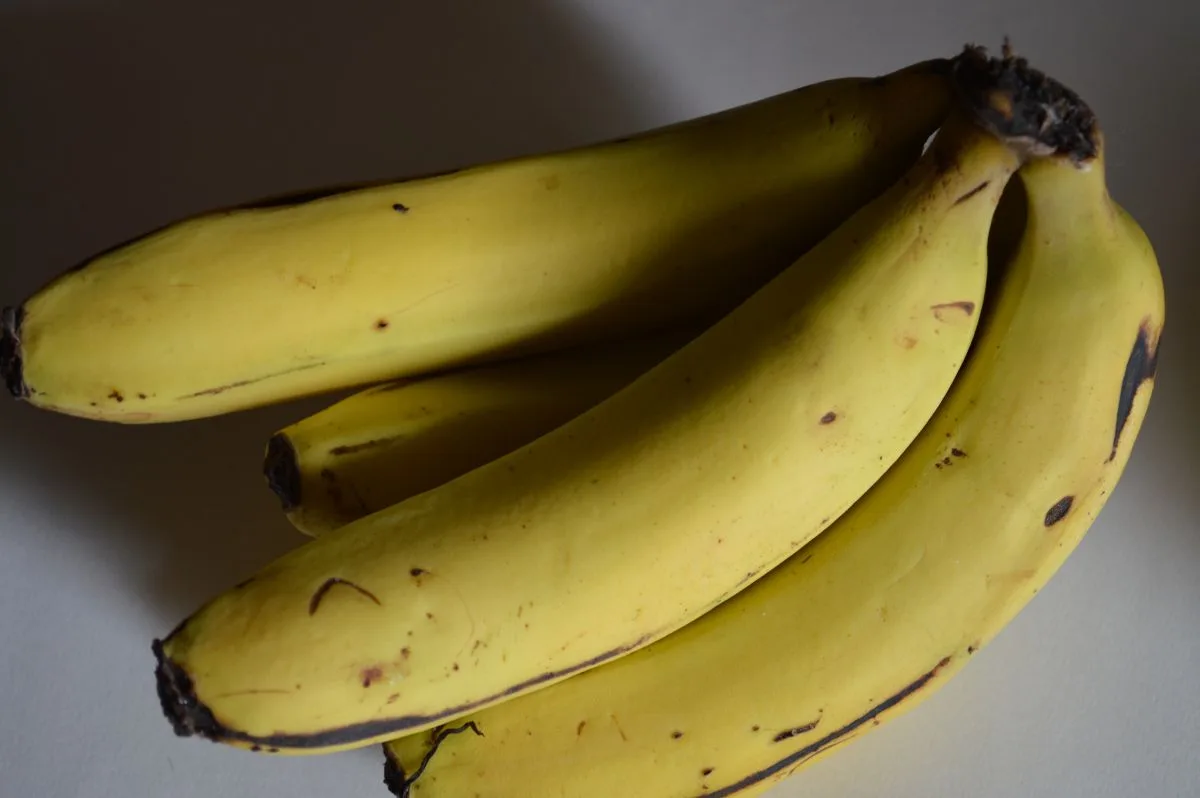
Bananas offer more than convenient sweetness. Explore their fiber, vitamin B6, changing starch and role as an everyday snack—with realistic guidance for blood sugar, kidney health and active days.