
Eat Well
How to balance carbs, protein and fiber after a big holiday meal
Turn holiday leftovers into an easy next meal with a source of carbs, a source of protein and plenty of fiber-rich foods. Start with what’s in your fridge.
Vegetables, tofu, fish and everyday movement offer useful ideas for midlife. We examine Singapore and Thai studies, explain what life-expectancy figures mean, and avoid turning a diverse region into one “longevity diet.”
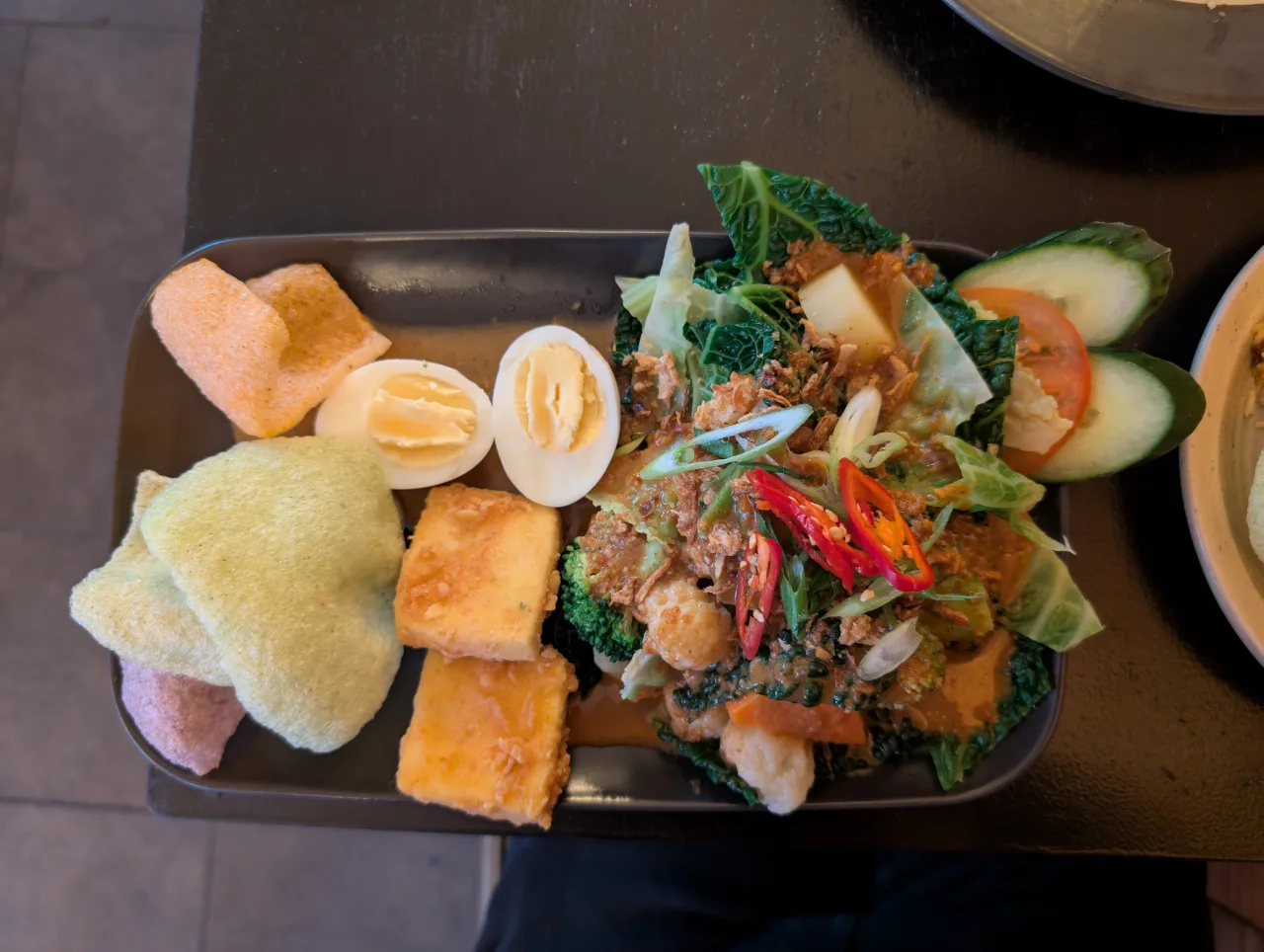
Food and healthy aging · November 27, 2026. A meal built around vegetables, tofu or fish, with rice and plenty of flavor, can offer useful ideas for everyday eating. But calling it a “Southeast Asian longevity diet” skips over an important fact: there is no single Southeast Asian diet.
Food traditions differ across Indonesia, Vietnam, Thailand, Malaysia, Singapore, the Philippines and their neighbors—and within each country. A home-cooked meal, a restaurant feast and a packaged snack can have very different nutritional profiles, even when all come from the same place.
For people in their 40s and 50s, the useful question is which eating and lifestyle patterns fit the evidence for healthier aging, and how to make them practical at home.
Singapore’s Department of Statistics reports resident life expectancy at birth of 83.9 years in 2025. That is a population estimate based on mortality rates, not a promise about how long an individual will live.
It also cannot tell us that a particular cuisine caused the result. Healthcare, income, living conditions, smoking patterns and many other factors complicate comparisons between countries. Singapore’s figure should not be treated as a statistic for all of Southeast Asia.
Living longer and spending more years in good health are related goals, but they are not identical. A meal plan alone cannot explain either one.
A 2023 study in JAMA Network Open followed 57,078 Chinese adults living in Singapore, with a mean starting age of about 56. Researchers scored how closely their diets aligned with a planetary-health eating pattern and followed mortality for a median of 23.4 years.
People in the highest diet-score group had a lower relative hazard of death from any cause than those in the lowest group: a hazard ratio of 0.85, or approximately 15% lower. This is a comparison of mortality during follow-up—not evidence of 15% more years of life.
The pattern emphasized plant foods and moderated several animal-food and added-sugar categories. It was not a test of one national cuisine or of becoming vegetarian. Because the study was observational, it cannot prove that changing the diet caused the difference; food reporting and unmeasured differences between participants remain limitations.
A 2025 paper in Nutrition Journal analyzed 62,197 participants from the Singapore Chinese Health Study, linking food questionnaires from 1993–1998 with mortality records through 2022. Higher ultra-processed-food intake was associated with higher mortality from all causes, cardiovascular disease and respiratory disease.
This does not mean every packaged food is equivalent or that an occasional snack determines lifespan. The study relied on historical food reports and classification of processing, with the usual limitations of observational research.
These first two papers draw on the same parent cohort. They offer different analyses, not two independent replications in different populations. Neither represents every ethnic community in Singapore or every Southeast Asian country.
You do not need to recreate a whole cuisine to use these ideas. Familiar regional ingredients can work within an overall balanced pattern:
Singapore’s Health Promotion Board provides a practical framework through My Healthy Plate: a quarter wholegrains, a quarter protein foods, and half fruit and vegetables. These proportions are guidance, not a longevity formula.
For example, try a smaller serving of rice with tofu and a generous vegetable side. A Vietnamese-style rice-paper roll with vegetables and a suitable protein can be another meal component. These are adaptable ideas, not claims that a named dish was tested in a mortality trial.
Preparation and portion matter. Fish sauce, soy sauce, seasoning mixes and broths can contribute substantial sodium. Sweetened drinks and generously sweetened desserts can add sugar. Rich coconut-based sauces and fried foods also deserve attention within the overall meal.
Singapore’s Health Promotion Board guidance on salt and sugar highlights the contribution of sauces, seasonings and food preparation. Ask for less sauce where practical, taste before adding more, and choose water or an unsweetened drink more often.
This is not a reason to label a culture’s food “good” or “bad.” It is a reason to look at the actual ingredients, portions and frequency.
A 2023 study of 87,151 Thai adults examined chronic conditions and mortality using follow-up records from 2005 to 2019. Having two or more chronic conditions was associated with a higher hazard of death after adjustment for other measured factors.
The finding reinforces why healthy aging involves more than a menu: prevention and ongoing management of health conditions matter. It does not establish that one Thai eating pattern caused longer or shorter life. Participants came from an open-university cohort, so the results should not be treated as a perfect representation of everyone in Thailand.
Movement can fit into ordinary routines: a walk to an errand, a comfortable route after a meal or an activity shared with a friend. These are options to make activity repeatable, not assumptions about how everyone in Southeast Asia lives.
WHO guidance recommends 150–300 minutes of moderate aerobic activity per week, or equivalent vigorous activity, for adults, alongside muscle-strengthening activities. Begin with what is manageable and build gradually; an individual care plan may call for adaptations.
Protect sleep and keep preventive care in the routine, too. Our sleep-and-eating article explains how repeated short nights can make meal choices harder. A useful midlife approach is to support meals, movement, rest and management of existing conditions together.
The lesson from Southeast Asian research is not that a special regional ingredient adds a fixed number of years. It is that familiar, varied foods can support a balanced pattern—and that long-term health also depends on the circumstances and habits surrounding the plate.
Related reading: everyday habits from Japan and the limits of longevity claims.
This article is for general information and isn’t a substitute for advice from your own doctor or other qualified health professional. Talk to them before changing medication, starting supplements or beginning a new exercise program. Last reviewed November 27, 2026.
Turn holiday leftovers into an easy next meal with a source of carbs, a source of protein and plenty of fiber-rich foods. Start with what’s in your fridge.

Bananas offer more than convenient sweetness. Explore their fiber, vitamin B6, changing starch and role as an everyday snack—with realistic guidance for blood sugar, kidney health and active days.
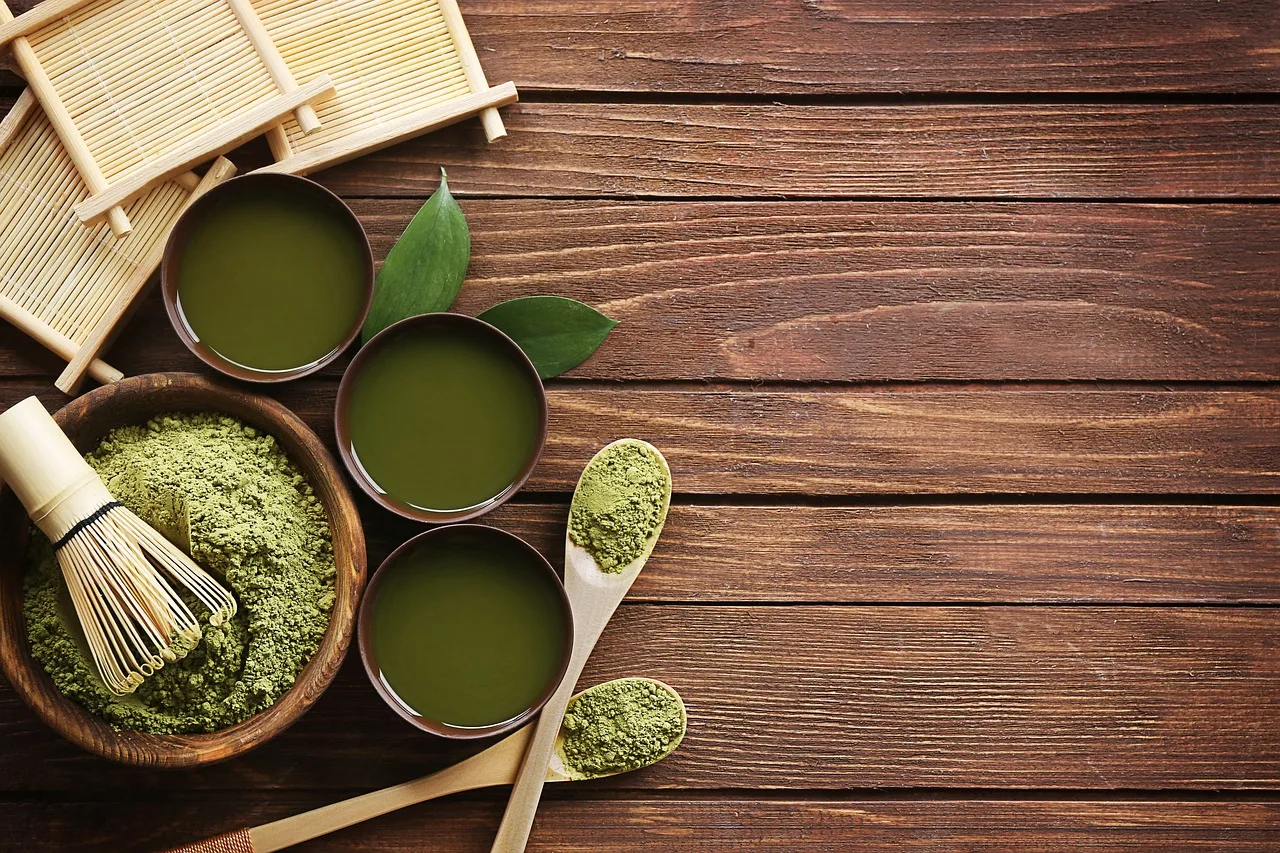
Matcha can be an enjoyable, low-added-sugar drink with caffeine and plant compounds. Here is what the newest cognitive research says, how to protect your sleep and why a cup of tea is different from an extract supplement.