
Eat Well
How to balance carbs, protein and fiber after a big holiday meal
Turn holiday leftovers into an easy next meal with a source of carbs, a source of protein and plenty of fiber-rich foods. Start with what’s in your fridge.
Everything we’ve written on moving, eating and living well in midlife.
Turn holiday leftovers into an easy next meal with a source of carbs, a source of protein and plenty of fiber-rich foods. Start with what’s in your fridge.
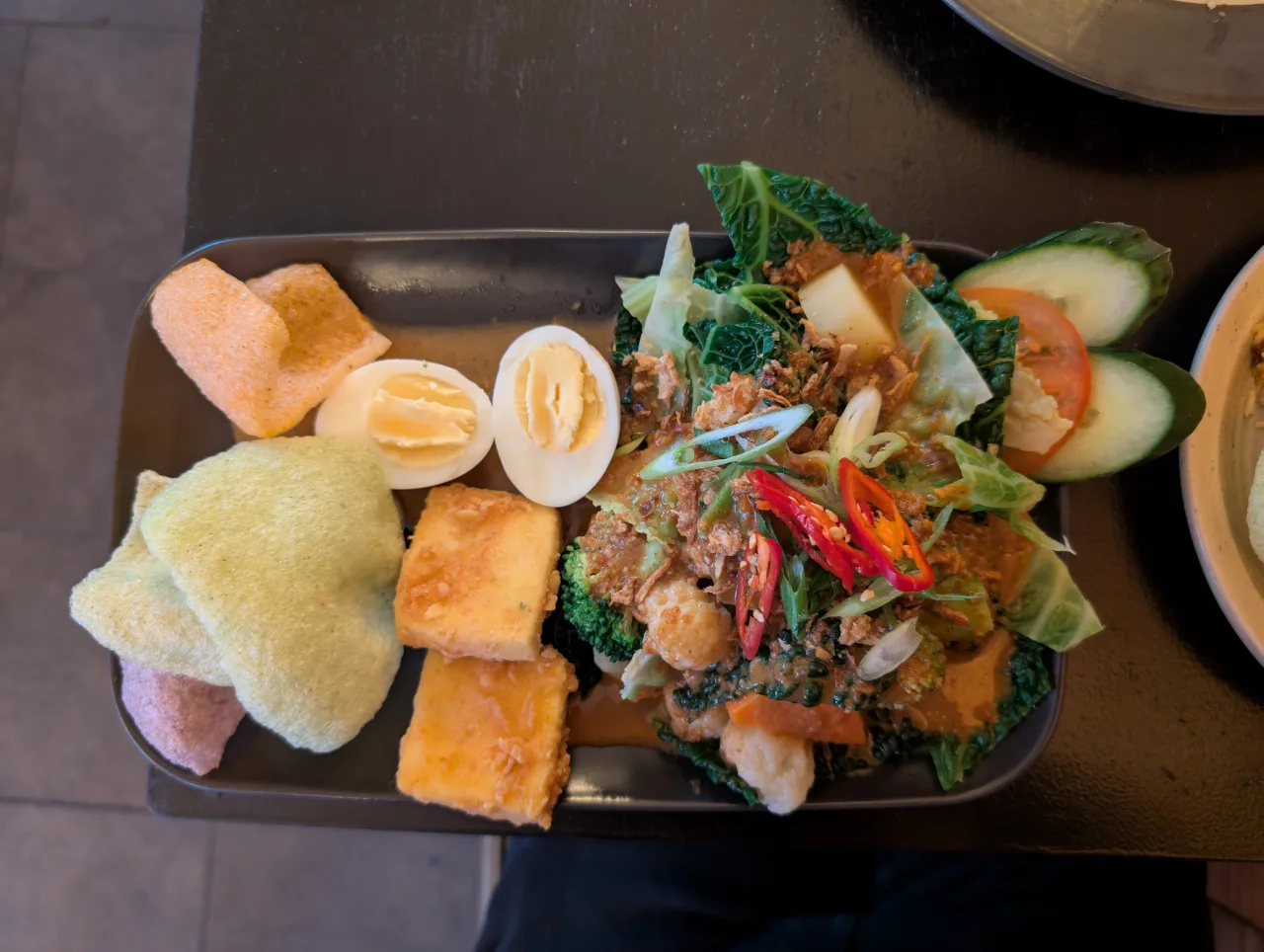
Vegetables, tofu, fish and everyday movement offer useful ideas for midlife. We examine Singapore and Thai studies, explain what life-expectancy figures mean, and avoid turning a diverse region into one “longevity diet.”

Bananas offer more than convenient sweetness. Explore their fiber, vitamin B6, changing starch and role as an everyday snack—with realistic guidance for blood sugar, kidney health and active days.

Matcha can be an enjoyable, low-added-sugar drink with caffeine and plant compounds. Here is what the newest cognitive research says, how to protect your sleep and why a cup of tea is different from an extract supplement.

Short nights can make everyday eating harder. What research says about sleep and appetite, why no single food fixes sleep, and small habits to protect both through the holidays.
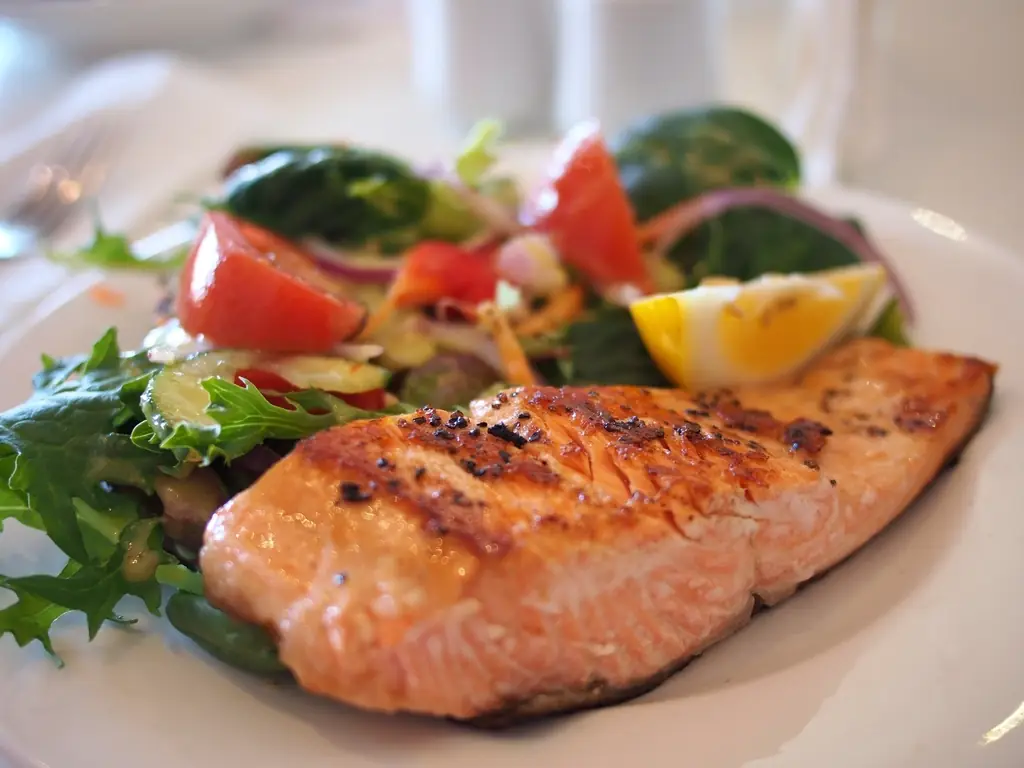
Big meals and disrupted routines deserve extra attention in your 40s, 50s and beyond. Practical ways to celebrate, protect your heart and recognize symptoms that need urgent care.
A more varied dinner, a walk built into your day, a cup of green tea and a standing date with friends. Here’s what studies in Japan found and how to try the habits in midlife.

First-step heel pain can interrupt an active life. Learn practical ways to manage activity, support your feet and reduce avoidable strain—and what prevention advice can and cannot promise.

Fermented foods are linked with changes in the gut microbiome, but a changed microbiome is not automatically better health. We compare a Stanford trial with newer 2026 research and offer practical food-first ideas.
You cannot prevent every form of arthritis, but everyday movement, strength and injury prevention can support joint health. Here is what the evidence supports and how to start gently.

Midlife has historically received less research attention than other life stages. Evidence on brain health, diabetes prevention and biological change shows why these years deserve a closer look.

A new November study explores how the sleeping brain changes with age. Here is what it means alongside midlife research, and when restless nights deserve attention.

Turn a worrying headline into a useful conversation: what to bring, what to ask and when not to wait for an appointment.
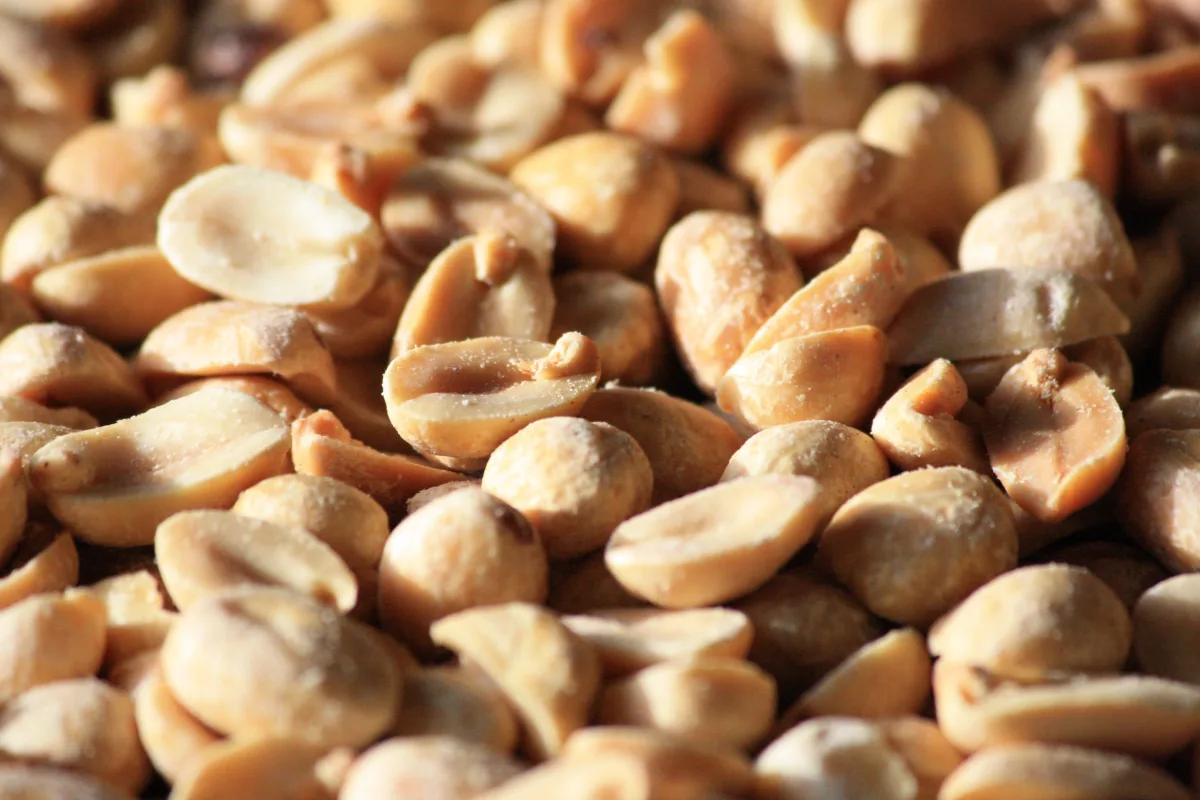
Peanuts are in the headlines. We look at the evidence, its limits and what it means for everyday eating.

A November 9 FDA notice flags a possible increased risk of a rare eye condition. Understand the numbers, warning signs, a practical FAQ and two expert videos.
The black box warning that scared a generation away from hormone therapy is coming off. Here’s what changed, what didn’t, and how to talk to your doctor about it.
A large review of step-count studies found most of the benefit arrives well before 10,000 steps. Good news if your pedometer has been making you feel guilty.

The 2025–2030 Dietary Guidelines raised the protein target by about half. For midlife adults trying to hold on to muscle, that’s a meaningful change.
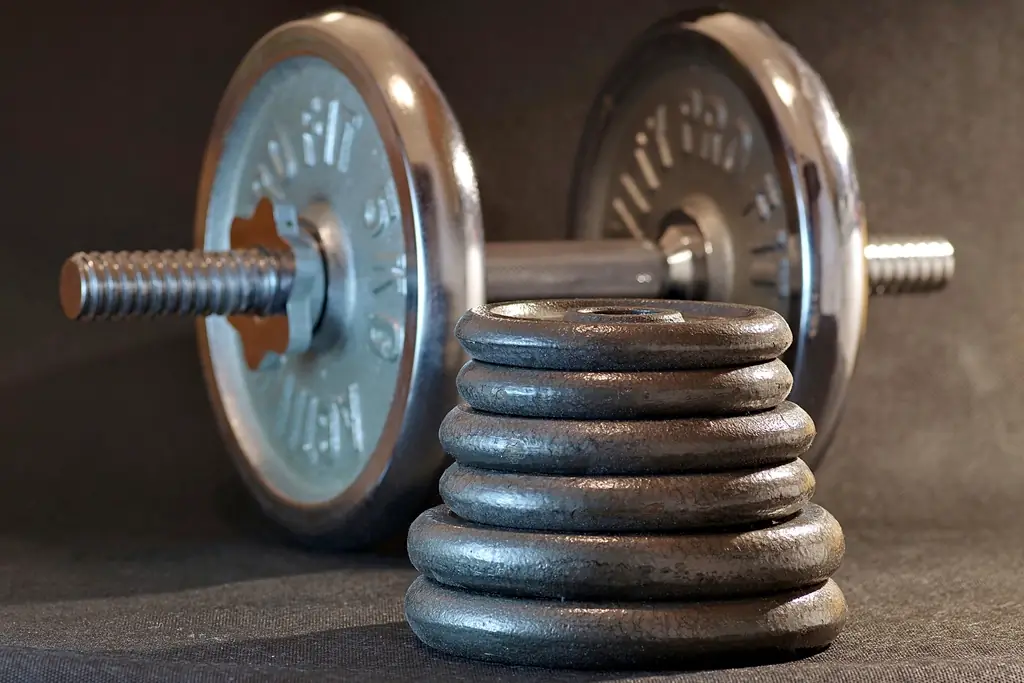
Weight-loss drugs work, but some of what you lose can be muscle. Strength training and protein are your best defense, especially after 50.
A clever natural experiment in Wales found people who got the shingles shot were less likely to develop dementia. Here’s what that means if you’re 50+.

A study that followed 105,000 people for three decades found the eating patterns most linked to aging well. None of them are fad diets.
Creatine is having a moment with women in perimenopause. Some claims hold up and some don’t. Here’s the honest version.